
From Soybeans to Textured Soy Protein (TSP)
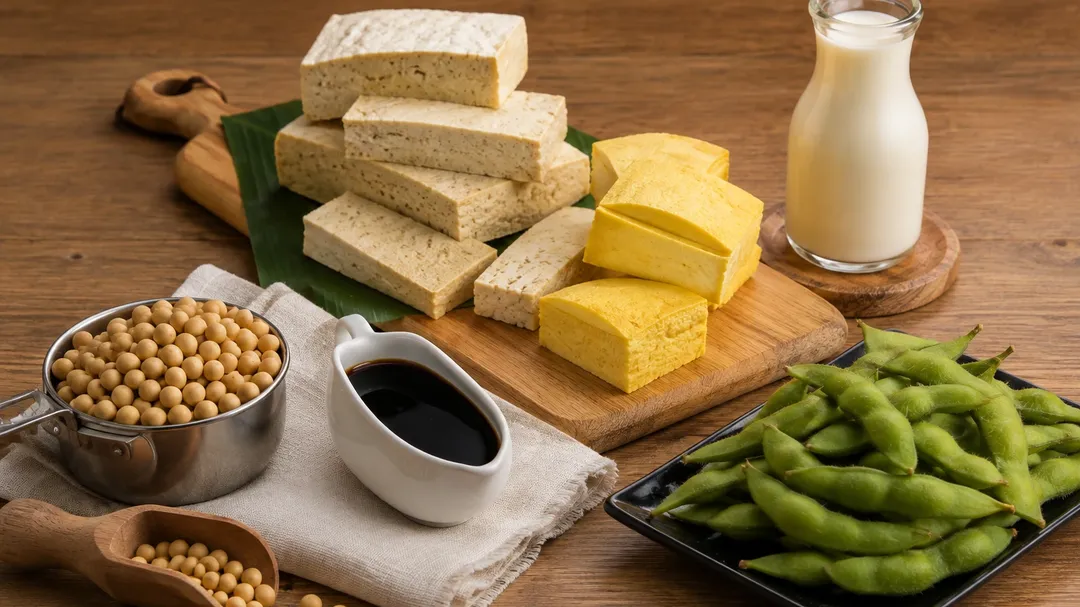
The journey from soybeans to textured soy protein (TSP) involves a series of meticulous processes. Initially, soybeans undergo cleaning and hydration before being dehulled and ground to extract soybean meal. Next, the meal undergoes extrusion, where it is heated, pressurized, and shaped into textured strands resembling meat. Finally, the strands are dried to produce TSP, a versatile plant-based protein widely utilized in diverse food applications.
Textured Soy Protein (TSP), also known as Texturized Vegetable Protein (TVP), is a processed soy product made from defatted soy flour. It is widely used as a meat substitute or extender across food products because of its high protein content and versatile texture.
The route from soybeans to finished TSP runs through five stages. Defatting removes most of the oil content, leaving behind a protein-rich material. The defatted flour is then mixed with water to form a dough-like mixture and extruded — forced through a machine under high temperature and pressure. Extrusion cooks the soy protein, causing it to unfold and re-form into a fibrous structure, which is what gives TSP its meat-like texture.
After extrusion, the product is cut into the shapes the application calls for — chunks, flakes or granules — and dried to remove moisture, producing a lightweight, shelf-stable material. At the point of use, the dried TSP is rehydrated by soaking in water or a flavoured liquid to restore its texture and make it ready for cooking or further processing. Flavourings and seasonings are added during rehydration or cooking to enhance taste and mimic the flavour of meat.
For a plant owner, the sequence matters because each stage sets a specification for the next: defatting determines the protein richness of the feed, extrusion conditions determine the fibrous structure, and cutting and drying determine shelf stability and the format sold to the customer.