
Sour dough plants
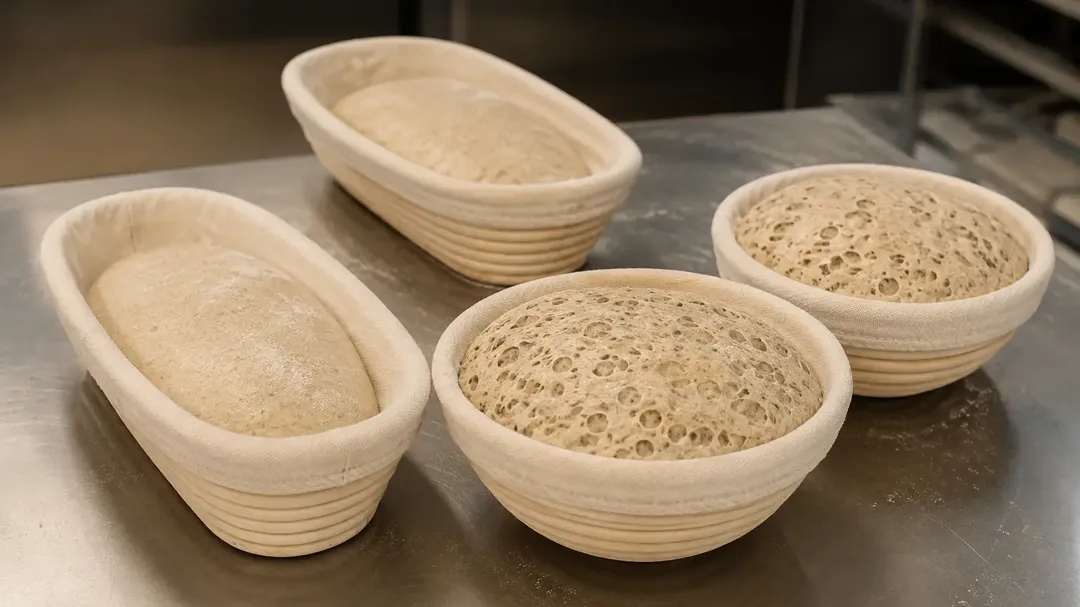
Sourdough plants are sophisticated facilities designed for the controlled fermentation of dough to produce sourdough, a key ingredient in baking. These plants feature specialized fermentation chambers equipped with precise temperature and humidity controls to optimize microbial activity. Advanced sourdough plants may incorporate automated mixing and fermentation processes, ensuring consistent quality and flavor development. The resulting sourdough exhibits complex flavor profiles and improved dough leavening characteristics, enhancing the quality of baked goods.
Sourdough plants — also known as sourdough starters or levains — are mixtures of flour and water that have been allowed to ferment and develop naturally occurring yeasts and bacteria. Flour and water are mixed and left to sit at room temperature for several days, during which the natural yeasts and bacteria present in the flour and the air ferment the mixture, creating a tangy, sour flavour and a complex aroma. When the mixture becomes bubbly and active, it is ready to be used as a leavening agent in bread dough. Sourdough is a traditional method of bread making that has been used for centuries, and the sourdough plant is the key ingredient in the process.
The raw materials are typically flour and water. The type of flour can vary, but many bakers prefer whole wheat or rye flour, as these tend to produce a more flavourful and complex sourdough. Some bakers also add other ingredients such as honey or fruit juice to add sweetness or other flavours. The finished starter is added to bread dough, where it acts as a natural leavening agent, helping the bread rise and giving it its characteristic tangy flavour. It is used in traditional sourdough bread as well as other breads such as rye bread and ciabatta. Sourdough breads require more time and effort to maintain than traditional yeast-based breads, but many people find the resulting breads well worth the extra effort.
Equipment for a sourdough plant follows the process sequence. Mixing equipment combines flour and water to create the initial mixture, and ranges from simple hand-held mixing tools to larger industrial-sized mixers. Fermentation containers such as plastic buckets or large glass jars hold the mixture while it ferments. Storage containers, from simple plastic containers to industrial-sized vessels, hold the finished starter until it is needed. Producers who package and sell sourdough plants use filling machines, bagging machines and labeling machines. In larger-scale production, testing equipment monitors acidity and other characteristics to confirm that fermentation is proceeding properly and producing a consistent flavour. Ovens, while not directly part of starter production, are a key piece of equipment in bread making, and sourdough bread is often baked in large commercial ovens.
Packaging formats vary with the producer and the intended use. Some sourdough plants are sold in small packets or jars ready to use in bread dough; others are sold in larger quantities, either as a wet dough or as a dried mixture that can be rehydrated. Small packets or jars may be made of glass, plastic or other materials, while larger quantities may be packaged in plastic bags or other airtight containers. Airtight storage is important to prevent contamination from other microorganisms and to maintain the proper fermentation process. Key manufacturers for sourdough plants include Diosna, Kemper, Rondo, Sourdough Solutions, Pietroberto, VMI and Bongard.