
Sugar Production Equipment
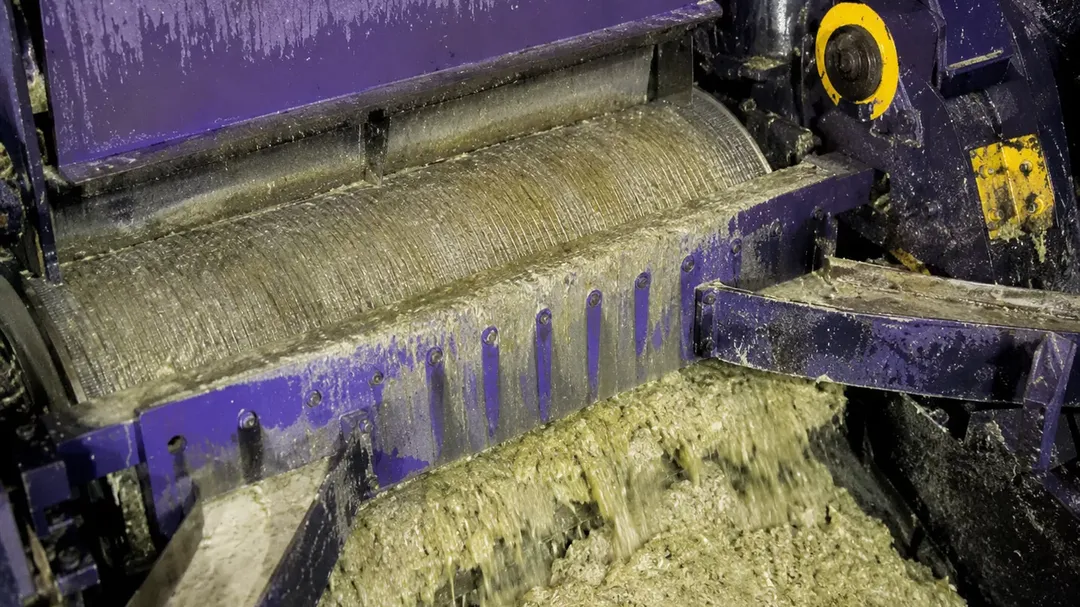
Sugar production equipment comprises an array of specialized machinery, from cane shredders and crushers to centrifuges and vacuum pans. These units facilitate sequential stages such as juice extraction, clarification, evaporation, and crystallization. Advanced technologies like continuous centrifugation and multi-effect evaporators optimize energy efficiency and product quality. Precise automation systems monitor and control each step, ensuring consistent output and meeting stringent industry requirements.
Sugar production equipment covers the machinery used to convert sugarcane or sugar beets into refined sugar: machines for crushing and grinding the raw material, extracting juice, clarifying the juice, evaporating and crystallizing the sugar, and drying and packaging the final product. The process runs as a series of steps, each of which requires specific equipment — cane crushers, diffusers, evaporators, vacuum pans, centrifuges, crystallizers and sugar dryers are typical examples. The same equipment set also supports other sugar-based products such as molasses, brown sugar and powdered sugar.
The working sequence is extraction, clarification, evaporation, crystallization, refining and packaging. Juice is first extracted by crushing or pressing the raw material, then clarified through a series of filters and settling tanks to remove dirt, debris and plant matter. The clarified juice is heated and evaporated through a series of evaporators to remove excess water and concentrate the sugar, then seeded with sugar crystals and cooled so new crystals grow, producing raw sugar. Raw sugar is transported to a refinery for further processing — techniques can include carbonation, filtration and decolorization — before the refined sugar is packaged into bags or other containers for distribution and sale.
Refined sugar from these lines goes into granulated sugar for baking, cooking and sweetening beverages, confectionery products, syrups and toppings, soft drinks and other beverages, and processed foods such as baked goods, desserts and snacks. Plant configuration differs sharply between large-scale industrial production, which processes large quantities of cane or beet for commercial refined sugar, and small-scale artisanal production, which often uses traditional methods and equipment.
Demand for sugar production equipment is driven by growth in processed and sweetened food products and by the growing popularity of alternative sweeteners such as stevia and monk fruit. Buyers are also being pushed toward sustainable and energy-efficient manufacturing processes, compliance with stringent regulations and safety standards, and advanced equipment with enhanced automation and control capabilities that lowers production cost and raises operational efficiency. Geographically, the Asia-Pacific region is expected to dominate the market in the coming years, owing to high sugar consumption and the presence of major sugar-producing countries such as India, China and Thailand.