
Sugar processing and refining plants
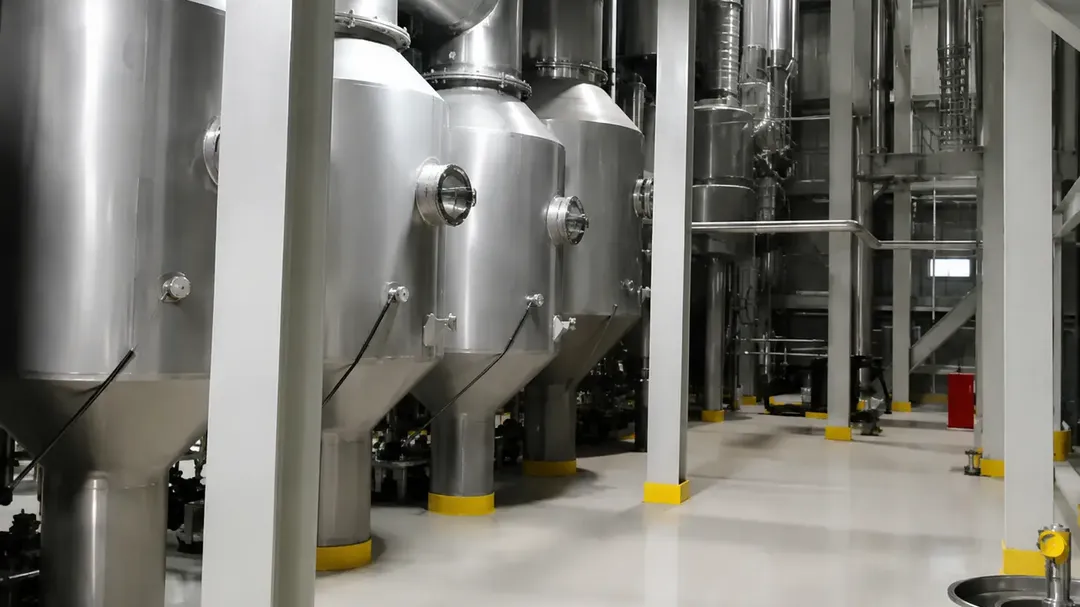
Pioneering the realm of sugar refinement, processing plants employ cutting-edge technology and intricate methodologies. These facilities meticulously transform raw sugar into refined products through a series of meticulously orchestrated stages, including clarification, filtration, evaporation, crystallization, and centrifugation. By leveraging advanced automation and control systems, these plants ensure the production of high-quality, pure sugar that meets the rigorous standards of the industry.
Sugar processing and refining plants are facilities that specialise in the production of refined sugar from raw sugar cane or sugar beet. Production runs through several stages — extraction, purification, crystallization and drying — and the refining step itself typically combines filtration, ion exchange and crystallization techniques. The final product is normally granulated or powdered sugar, packaged for distribution to food and beverage manufacturers.
The working sequence begins with extraction of juice from sugar cane or sugar beet, a juice that carries sugar along with impurities such as minerals, organic matter and water. Purification follows, using a series of filtration and clarification steps, and may involve chemicals such as lime and carbon dioxide to neutralise acids and precipitate impurities. The purified juice is then boiled to evaporate water and concentrate the sugar into a thick syrup called molasses. Cooling and seeding with sugar crystals encourages further crystal growth, and the resulting mixture of sugar crystals and molasses is separated by centrifugation. The raw sugar from centrifugation goes to a sugar refining plant for further purification into the final product, which is then packaged.
Sugar from these plants feeds a wide span of downstream food and beverage manufacturing: confectionery, baked goods, beverages, dairy products, cereals and snacks, and sauces and condiments. Plants of this type are found all around the world, with major producers located in countries such as Brazil, India, Thailand and the United States, and the industry is dominated by a few large players.
The market for sugar processing and refining is expected to grow in the coming years, driven by increasing demand for sweeteners in the food and beverage industry. The industry also faces real pressures: sugar price volatility influenced by weather patterns, government policies and changes in consumer preferences, together with increasing scrutiny from consumers and regulatory bodies over the health effects of sugar consumption. To stay competitive, plants are investing in technology and process improvements to increase efficiency and reduce costs, and are exploring alternative sweeteners such as stevia and monk fruit to meet changing consumer preferences.