
Canned Foods
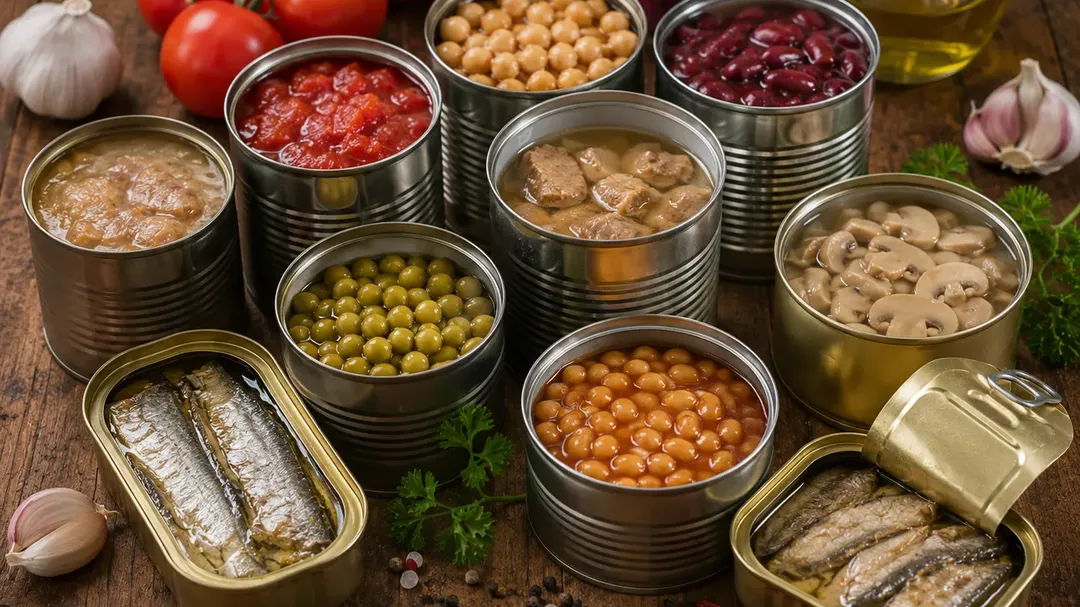
Canned foods offer convenience, versatility, and extended shelf life, making them a staple in modern kitchens. From vegetables to meats, soups to fruits, they provide quick and easy meal solutions without compromising nutrition. With advancements in packaging technology, canned foods retain freshness and flavor, offering a reliable source of sustenance for households worldwide. Their accessibility and long-lasting nature make them an essential component of any pantry.
Vegetable preserves are foods that have been processed and stored to extend their shelf life. The process involves treating the vegetables with salt, vinegar, sugar, or other preservatives to inhibit bacterial growth and prevent spoilage. In practice this covers three distinct routes — pickling, canning and dehydrating — each with its own equipment train, utility load and hygiene requirements inside a processing plant.
Pickling involves soaking vegetables in a brine solution, typically made of vinegar, salt, and spices. Canning involves heating vegetables in airtight containers to kill bacteria and create a vacuum seal that prevents spoilage. Dehydrating involves removing vegetable moisture to inhibit bacterial growth and prevent spoilage. Which route a plant is built around determines everything downstream, from the preparation and filling lines to the thermal processing and packaging formats selected.
The market scope for vegetable preserves is quite broad, as these products have a wide range of applications and appeal to various consumer demographics. Many companies produce vegetable preserves, ranging from small artisanal producers to large multinational corporations. Major players in the market include The Kraft Heinz Company, Del Monte Foods Inc., Bonduelle Group, B&G Foods, Inc., Nestle S.A., H.J. Heinz Company, Mt. Olive Pickle Company, Inc., Pinnacle Foods Group LLC and The J.M. Smucker Company.
The global market for vegetable preserves is expected to grow steadily over the next few years, driven by increasing demand for convenient and healthy foods, rising awareness about the benefits of preserving food, and growing interest in ethnic cuisines. For an investor or project director, that growth profile supports plants designed with the flexibility to serve several preservation routes and consumer segments.