
Fat for frying
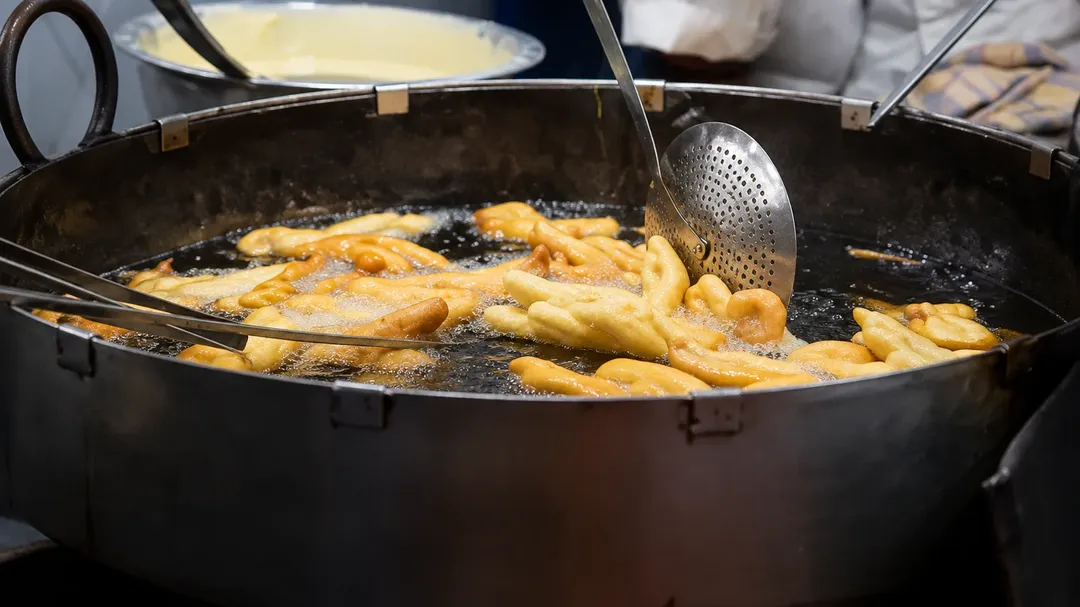
Frying fat plays a crucial role in culinary practices, enhancing flavor and texture while influencing the overall quality of fried dishes. Proper selection and management of frying fats are essential to achieve desired results, balancing factors such as smoke point, flavor absorption, and health considerations. From traditional choices like vegetable oils to specialized fats, understanding their properties ensures optimal frying performance and culinary satisfaction.
Fat for frying is the oil or fat in which food is cooked by submersion in hot oil. Its job is to create a crispy, golden exterior while keeping the inside of the food moist and flavourful. The options run from vegetable oils such as canola, corn, soybean, sunflower and safflower, through animal fats such as lard or tallow, to butter or margarine. Each has its own properties and flavour, so the choice of fat follows from the desired outcome of the fried food.
The single most important technical criterion is smoke point — the temperature at which the oil begins to smoke and break down. Once an oil passes its smoke point it can release harmful compounds and turn rancid, degrading both the taste and the quality of the food. Selecting a fat with a high smoke point for the intended frying duty is therefore a food safety and product quality decision, not just a cost one.
Commercial production of frying fat follows a defined sequence: raw material sourcing (vegetable oils, animal fats or other fats, depending on the product); processing to extract the fat or oil by mechanical pressing, solvent extraction or other methods suited to the raw material; refining to remove impurities and improve final product quality through degumming, bleaching and deodorising; and packaging into drums, totes or bottles according to customer needs. Quality control measures run throughout the process to ensure the final product meets the required standards for safety, quality and purity.
The market is segmented by type of fat — vegetable oils, animal fats and others — with vegetable oils expected to hold the largest share, as they are considered a healthier option than animal fats. By application, the segments are food service and retail, with food service expected to hold the larger share because demand for fried food is higher in restaurants, fast food chains and similar establishments. Demand is expected to keep growing with global appetite for fried food, though rising health and wellness awareness is pushing interest towards healthier cooking oils, which could affect demand for certain frying fats. Major players include Cargill Inc., Archer Daniels Midland Company, Bunge Limited, Wilmar International Limited, IOI Corporation Berhad, Ventura Foods LLC, Associated British Foods plc, CHS Inc., Agropur Cooperative and Ajinomoto Co., Inc.