
Different types of oil
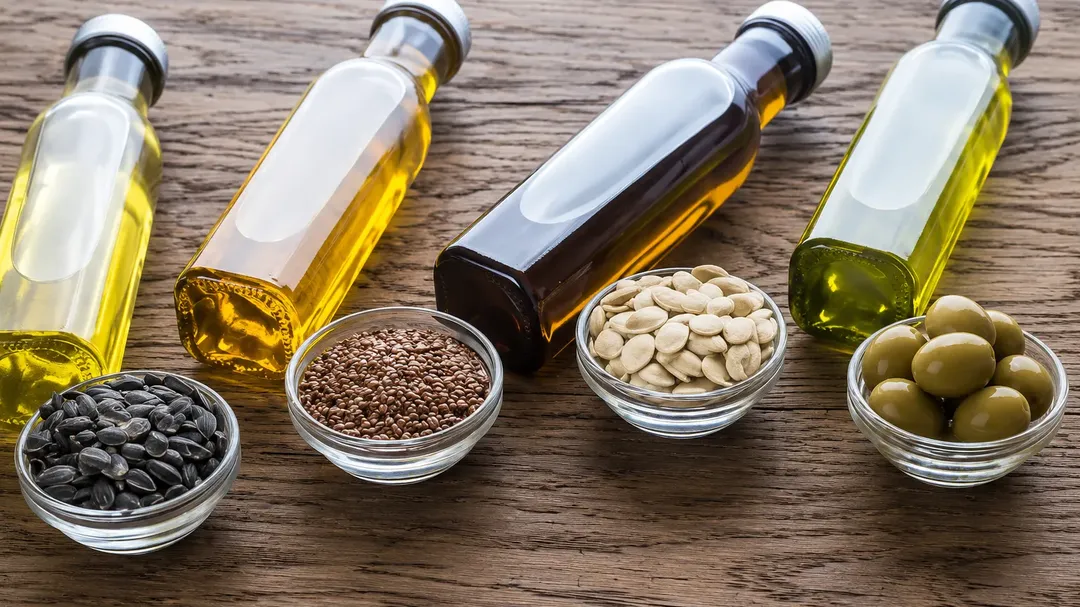
From essential olive oil to versatile coconut oil, various oils offer unique flavors, health benefits, and culinary uses. Nutritious options like avocado oil boast high monounsaturated fats, while sesame oil adds depth to Asian dishes. Flaxseed oil is rich in omega-3 fatty acids, beneficial for heart health. Each oil brings its own distinct profile, enhancing cooking and promoting wellness in diverse ways.
Edible oils differ by raw material, and that difference drives almost every decision in an oil plant — from how the crop arrives to how the oil is extracted, refined and packed. Olive oil is pressed from olives and used in cooking and salad dressings. Coconut oil is extracted from the meat of coconuts for baking, cooking and skin and hair care. Canola oil comes from the seeds of the canola plant and is used for frying, baking and dressings, while sunflower oil, from sunflower seeds, is used for cooking, frying, margarine and dressings. Soybean oil serves cooking, baking and as a salad dressing base; corn oil is used in cooking, baking and margarine; palm oil, from the fruit of the oil palm tree, goes into cooking, baking, margarine and other processed foods. Sesame oil, from sesame seeds, is used in cooking and as a condiment, peanut oil for frying, cooking and dressings, and avocado oil, from the avocado fruit, for cooking, baking and dressings.
Commercial production follows a common backbone. Cultivation of crops such as soybeans, corn, canola, sunflowers or palm trees uses farming practices including tilling, planting, watering and fertilization. Harvesting at maturity is done with specialized equipment such as combines or harvesters, and in some cases by hand. Extraction of the oil may use mechanical pressing, solvent extraction or cold pressing. Refining then removes impurities and improves quality through steps such as degumming, bleaching and deodorizing. Finally the oil is packaged and distributed, either shipped in bulk to other manufacturers or bottled for retail sale.
The specific production route varies with the oil and the end industry — the process for coconut oil may differ from that used for palm oil or avocado oil — so line design has to be matched to the feedstock rather than copied across. Beyond food, these oils serve cosmetics, pharmaceuticals and biofuels: coconut oil and palm oil are widely used in soaps, lotions and other cosmetic products, while canola oil and soybean oil act as raw materials for biofuel production.
Market scope for oils is diverse and shaped by shifting consumer preferences and trends, which move demand between oil types and open opportunities for new entrants. Major players in the segment include Archer Daniels Midland Company, Cargill, Incorporated, Bunge Limited and IOI Corporation Berhad.