
Olive oil
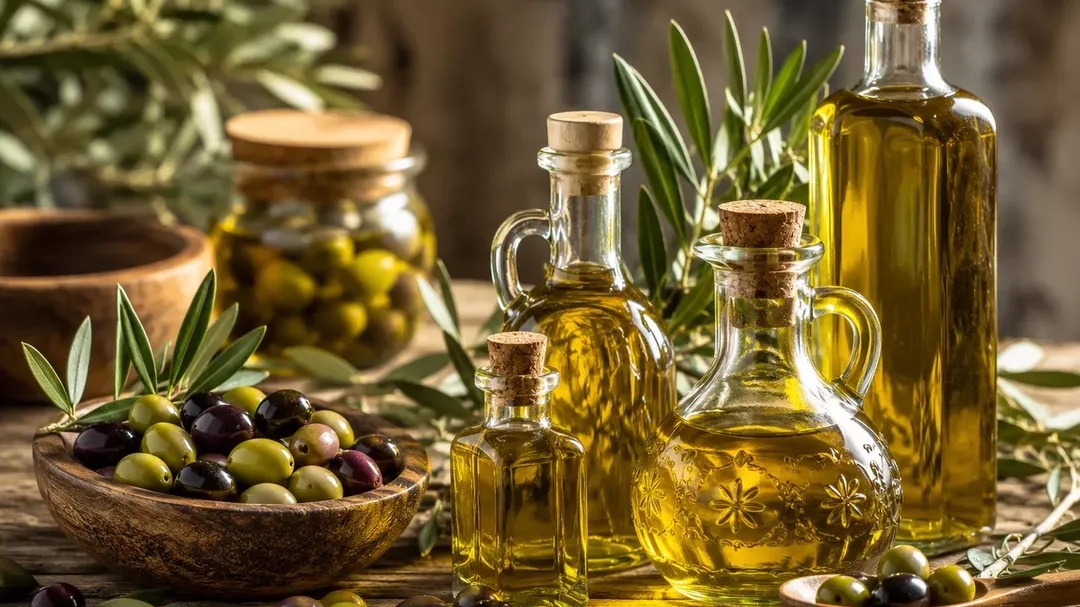
Nature's golden elixir, cherished for centuries. Extracted from the luscious fruit of the olive tree, its rich flavor and versatile properties elevate dishes worldwide. With its heart-healthy monounsaturated fats and antioxidants, it promotes well-being from within. From salads to sautés, its liquid gold hue adds depth and healthful essence to every culinary creation, embodying the essence of Mediterranean bliss.
Olive oil is a vegetable oil derived from the fruit of the olive tree (Olea europaea). It is a key ingredient in Mediterranean cuisine and is popular worldwide for its health benefits and culinary uses. It is rich in monounsaturated fatty acids, which are considered healthy fats that can help lower cholesterol and reduce the risk of heart disease, and it contains antioxidants such as vitamin E that help protect cells from damage caused by free radicals. Commonly used in cooking, salad dressings and dips, it carries a distinctive fruity flavour and aroma that varies with the type of olive and the region it comes from, and it is also a popular ingredient in skincare products for its moisturizing and antioxidant properties.
Several grades are produced commercially: extra-virgin, virgin, refined and pure. Extra-virgin olive oil is considered the highest quality and is made from pure, cold-pressed olives without the use of chemicals or heat. The grade a plant intends to sell governs the process route it must build, because cold-pressed extra-virgin production and refined product lines place different demands on extraction, separation and downstream treatment.
Commercial production follows a defined sequence. Olives are harvested from the trees when fully ripe, by hand or by mechanical harvesters. They are crushed to release oil from the fruit, using traditional stone mills or modern mechanical crushers, and the crushed olives are pressed, typically with hydraulic presses that exert pressure to release the oil. The oil is then separated from water and other solids using a centrifuge or other mechanical separator. Where required, the extracted oil is refined to remove impurities, improve colour and enhance stability, through degumming, neutralization, bleaching and deodorization. The oil is packaged in suitable containers such as glass bottles or metal cans to keep it fresh and safe, then distributed to wholesalers, retailers and other customers, directly or through intermediaries, with transportation and storage managed to maintain quality and safety.
The market scope for olive oil is significant, as it is widely used in cooking and consumed worldwide, and the global market is expected to grow steadily on the back of increasing awareness of its health benefits, changing dietary habits and growing demand for premium quality olive oil. Consumers increasingly seek out healthy food products and regard olive oil as a healthy alternative to other cooking oils, while the growing interest in Mediterranean cuisine — where olive oil appears in everything from salads and dressings to main courses and desserts — supports further demand. Major players include Deoleo S.A., Sovena Group, Salov Group, Cargill, Incorporated, Colavita S.p.A., Borges Mediterranean Group, Jindal Worldwide Ltd., Ybarra Group, Olitalia S.p.A. and Pompeian, Inc.