
Seaweed as food ingredient
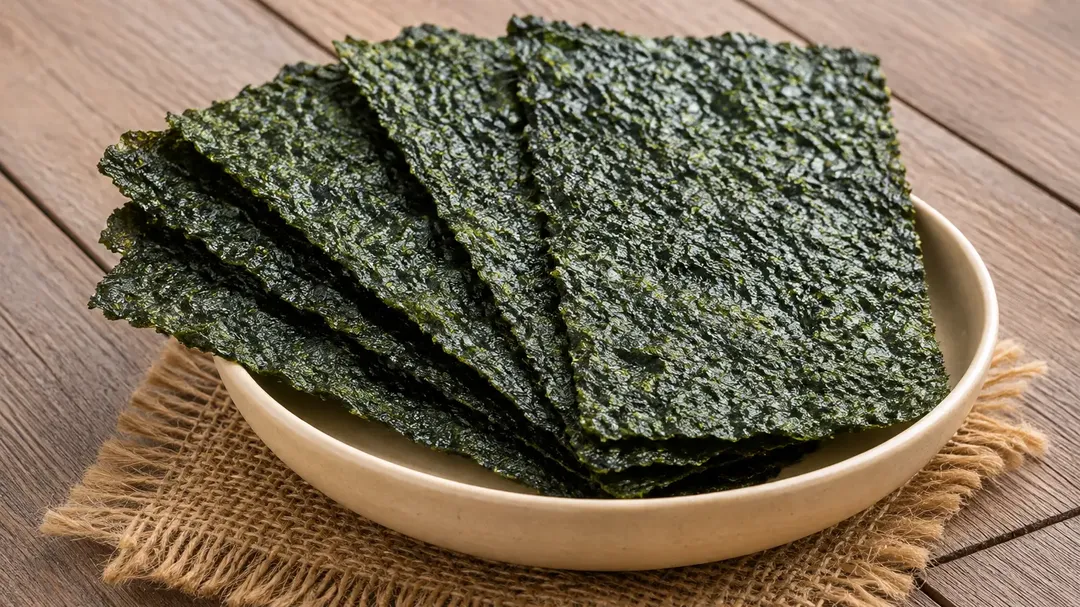
seaweed serve as a promising food ingredient, offering a rich source of nutrients, including proteins, omega-3 fatty acids, and vitamins. Their cultivation involves specialized systems, such as photobioreactors or open ponds, optimized for algae growth. Harvested algae undergo processing techniques like drying or extraction to obtain powders, oils, or extracts used in various food applications. Algae-based ingredients contribute to sustainable and nutritious food formulations.
Seaweed, taxonomically classified as macroalgae, comprises multicellular marine organisms belonging to the phylum of algae. It is categorized into three major groups based on pigmentation: Chlorophyta (green algae), Phaeophyceae (brown algae) and Rhodophyta (red algae). Commercially, seaweed is utilized across food, pharmaceuticals, cosmetics and agriculture, owing to a biochemical composition that encompasses polysaccharides, proteins, lipids, vitamins and minerals. Seaweed cultivation is also gaining attention for its potential to mitigate climate change by sequestering atmospheric carbon dioxide.
For food formulators, the appeal is twofold: nutrition and flavour. Seaweed is highly nutritious, packed with vitamins, minerals and antioxidants. It is particularly rich in iodine, which is essential for thyroid health, as well as vitamins A, C, E and K, and minerals such as calcium, magnesium and iron. Consuming seaweed may bring health benefits including improved heart health, digestion and immune function, and some studies suggest its compounds may also have anti-inflammatory and anti-cancer properties. Seaweed also carries a unique savoury flavour known as umami, which adds depth to dishes and is often used to enhance soups, salads and stir-fries.
The edible product range is already well established. Nori, a red seaweed (Porphyra spp.), is used in Japanese cuisine for wrapping sushi rolls and is roasted and seasoned into crispy snacking sheets. Agar-agar, a gelatinous substance derived from red algae (Gracilaria or Gelidium spp.), serves as a vegetarian alternative to gelatin and as a thickening agent in desserts, candies and aspic dishes. Kombu (Laminaria spp.) is a brown seaweed used to make dashi broth and as a flavour enhancer, while wakame (Undaria pinnatifida) is a brown seaweed used in soups and salads, with a slightly sweet flavour and tender texture when rehydrated. Dulse (Palmaria palmata), a red seaweed, is harvested and dried, with a salty flavour and chewy texture suited to snacking or seasoning.
Microalgae extend the same ingredient logic. Spirulina, a blue-green algae (Arthrospira spp.), is consumed as a dietary supplement for its high protein content and nutritional value, and is used as a natural food colouring in certain products. Chlorella, a single-celled green algae (Chlorella spp.), is consumed as a supplement for its high protein, vitamin and mineral content and is often available in powdered or tablet form. Each of these formats implies a different processing route — drying, roasting, extraction, milling — and that choice governs the plant a manufacturer needs to build.