
Frozen bread and rolls
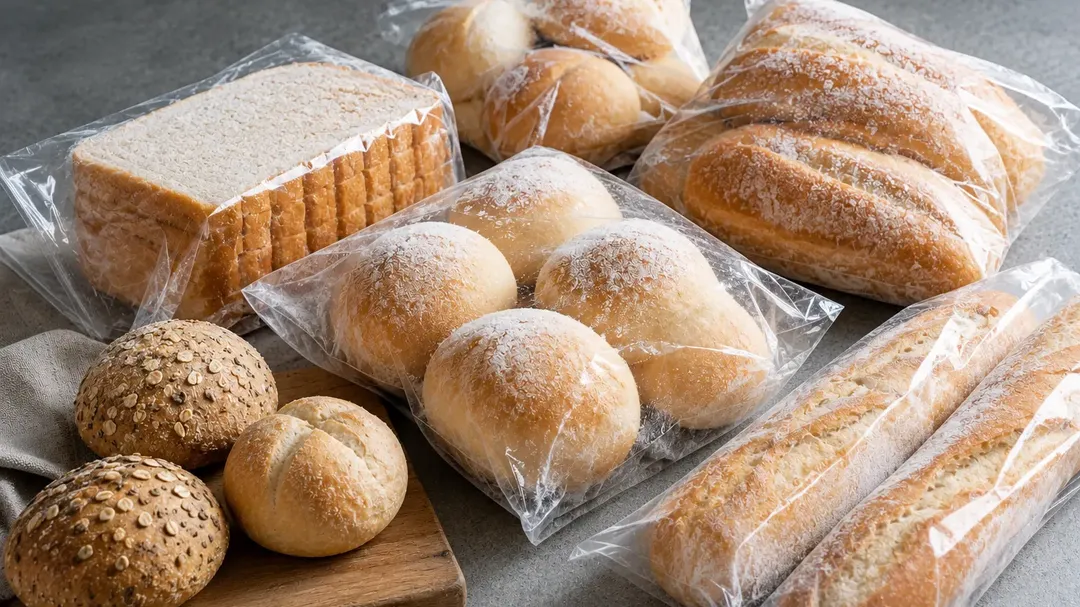
Employing advanced preservation techniques, frozen bread and rolls undergo meticulous preparation to uphold quality. Advanced cryogenic or blast freezing techniques ensure controlled freezing rates, minimizing ice crystal formation and preserving their structural integrity and texture. These processes guarantee superior quality and extended shelf life.
Frozen bread and rolls are pre-baked bread products that have been frozen to preserve their freshness and extend their shelf life. They are typically sold in supermarkets and food service establishments, and are reheated at home or in commercial kitchens before consumption. For a bakery business, the freezing step is what converts a highly perishable daily product into one that can be distributed widely and held until the point of sale.
The commercial market is substantial and growing. The global frozen bakery products market was valued at $14.7 billion in 2020 and is projected to reach $21.2 billion by 2026, a CAGR of 6.1% during the forecast period. Major players in the market include Grupo Bimbo, Dawn Foods, Rich Products Corporation, General Mills and Nestle SA.
Commercial production follows six stages. Ingredients are mixed together in a large mixing bowl or mixer. The dough is then proofed, which develops the flavour and texture of the bread. It is shaped into the desired form, such as loaves or rolls, and baked in an oven until fully cooked with a golden-brown crust. The baked product is frozen to preserve freshness and quality — either individually quick-frozen or placed in packaging for freezing. Finally, packaging covers entire loaves in boxes or other containers.
PMG Engineering designs, builds and supervises food and beverage processing facilities from concept to commissioning, including bakery lines where mixing, proofing, baking, freezing and packaging must be planned as one continuous process.