
Sugar
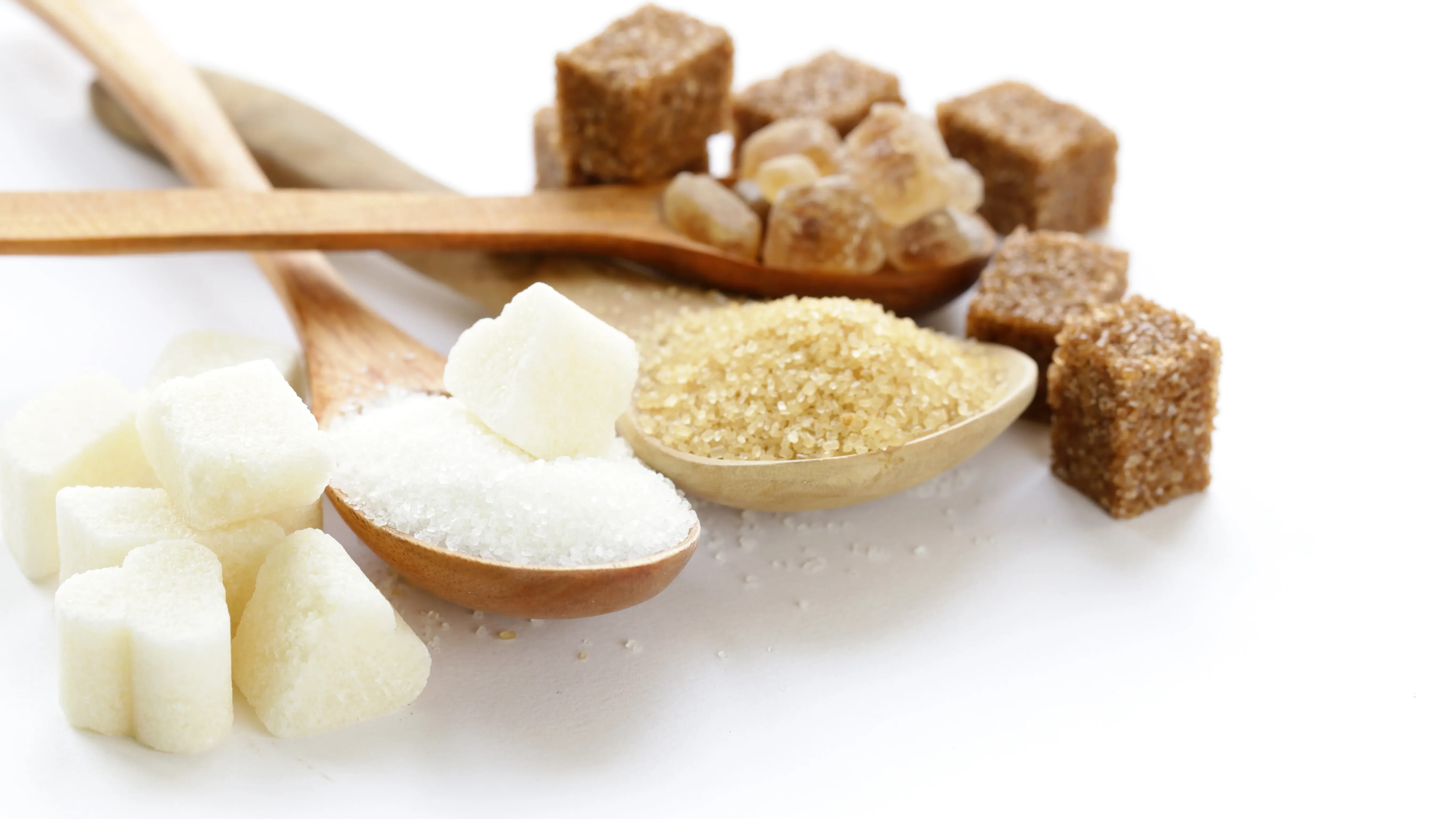
Sugar in food refers to the presence of a type of carbohydrate known as "sucrose." Sucrose is a naturally occurring compound found in many plant-based foods, especially in fruits and vegetables. It is also commonly added to processed and prepared foods to enhance flavor and sweetness. Sugar is a source of energy (calories) for the body, and it contributes to the taste and palatability of many foods.
Sugar is a simple carbohydrate used as a sweetener in food and beverages. Chemically it belongs to the class of organic compounds known as saccharides, and several types are relevant to processing: glucose, which occurs naturally in many foods including fruits, vegetables and grains; fructose, which occurs naturally in fruits, honey and some vegetables; and sucrose, commonly known as table sugar, a disaccharide of glucose and fructose derived from sugar cane or sugar beets. Sucrose is the most widely used sugar in the food industry.
In a formulation, sugar does more than sweeten. It is added to food and beverages to provide sweetness and flavour, and it also helps preserve and improve the texture of certain products. Beyond food, sugar is used to produce biofuels, pharmaceuticals and other industrial products, which keeps demand for cane and beet processing capacity linked to markets outside the food sector.
Commercial production follows a defined sequence. Sugar cane or sugar beet plants are harvested at the optimal stage of ripeness. Sugar juice is extracted through milling, crushing or diffusing, then purified by clarification using lime and other chemicals to remove dirt, fibre and other non-sugar components. The purified juice is boiled to evaporate water and raise the sugar concentration, producing a thick syrup called raw sugar. The raw sugar is spun in centrifuges to separate crystals from syrup, and the crystals are washed with water and dried. A refining stage removes remaining impurities such as molasses, colorants and minerals to produce white sugar, which is then packaged into bags or other containers and distributed to retailers, wholesalers and other buyers.
The market is being pulled in two directions. Demand for natural and organic products is driving growth, with organic and non-GMO sugars becoming more popular alongside rising demand for alternative sweeteners such as stevia and monk fruit. At the same time, the sector faces increasing concerns about the negative health effects of excessive sugar consumption and a trend toward reduced sugar and calorie products. Key players include Archer Daniels Midland Company, Cargill, Incorporated, Wilmar International Ltd., Bunge Limited, Louis Dreyfus Company B.V., Associated British Foods plc, Tereos S.A., Sudzucker AG, Mitr Phol Sugar Corp. Ltd. and Cosan S.A.