
Cutter knives
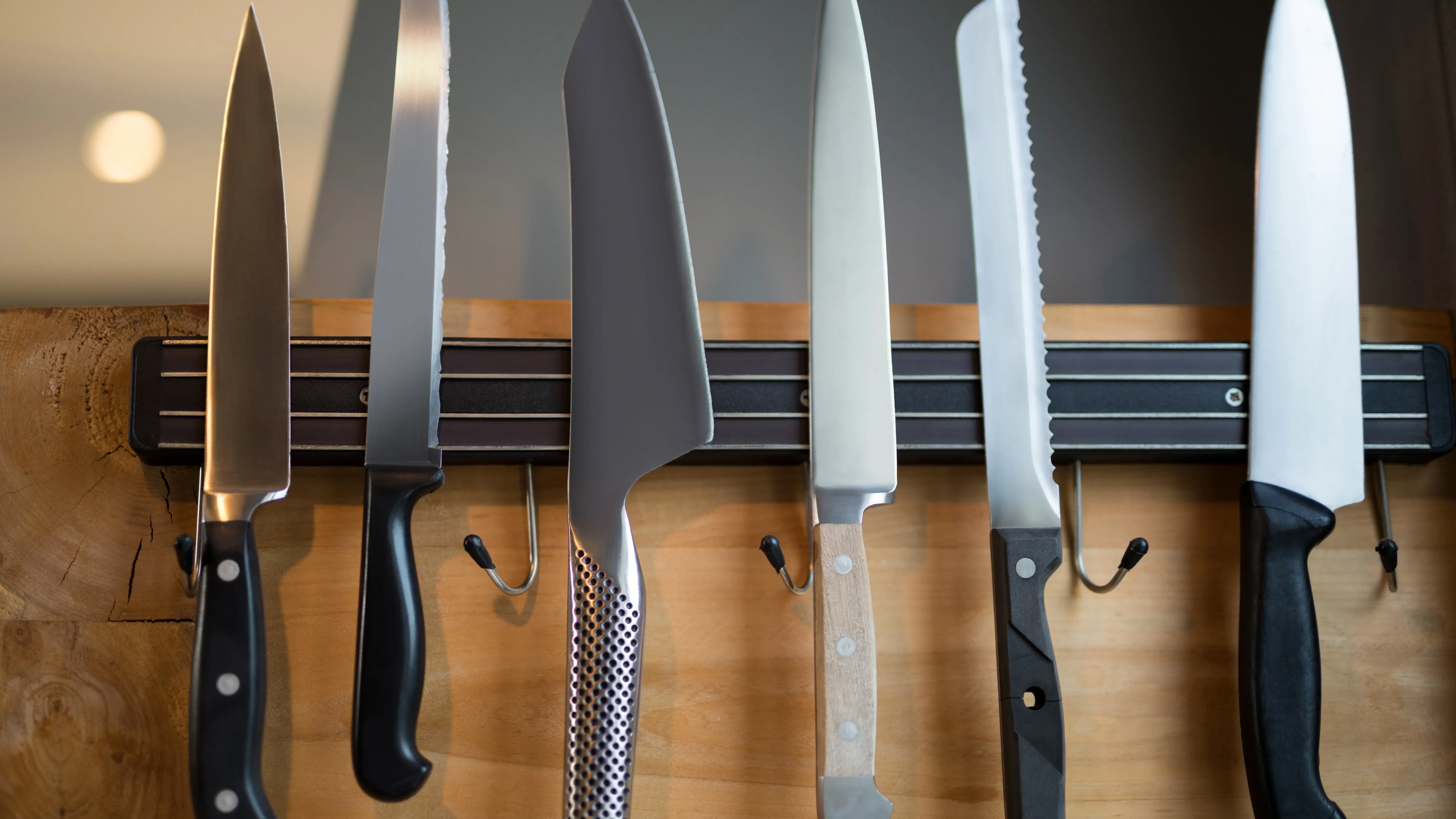
Cutter knives play a pivotal role in the food industry, ensuring precision and efficiency in various culinary tasks. From chopping vegetables to slicing meats, these specialized knives guarantee consistent, clean cuts that enhance food preparation and presentation. Their sharp blades, ergonomic designs, and durability make them indispensable tools for chefs and food professionals, ultimately contributing to the quality and safety of culinary operations.
Cutter knives are the working edge of a food processing line — versatile cutting tools used across kitchens, workshops and industrial settings. A cutter knife typically consists of a sharp, replaceable blade attached to a handle or frame, with blades made of stainless steel, carbon steel or other materials chosen for their durability and sharpness. Because the blade is replaceable, the cutting element can be renewed without changing the mounting, which matters for a plant running continuous shifts.
Application across food categories is broad. In meat processing, cutter knives are used to remove bones, trim fat, and cut meat into the desired size and shape for cooking. In vegetable lines they chop, slice and dice for soups, stews and salads. For fruit, they process a variety of produce such as apples, pears, pineapples and melons. In bakery, they create uniform slices for sandwiches, toast and other dishes. In seafood, they remove bones, shells and other unwanted parts and cut the product to the desired size and shape.
Commercially, demand for cutter knives is driven by the growing requirement for efficient and automated food processing equipment across the food industry. The global market for food processing equipment, including cutter knives, is expected to grow at a compound annual growth rate (CAGR) of 7.2% from 2021 to 2026 — a signal that cutting and portioning capacity is a recurring investment line for food plants rather than a one-time purchase.