
Frozen vegetable
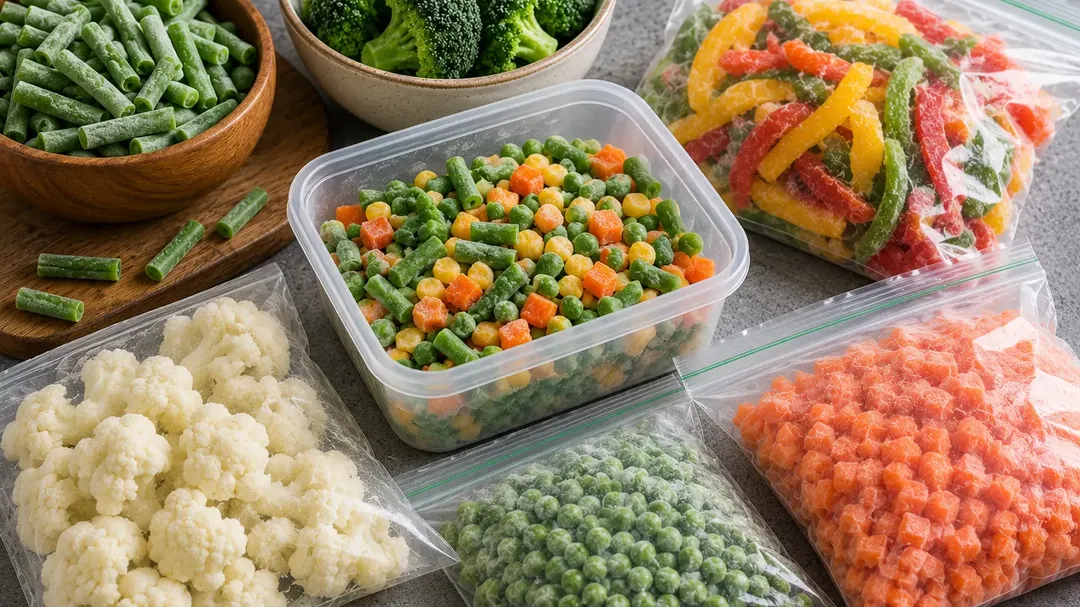
Frozen vegetables are a convenient and nutritious option for meals. They are typically harvested at peak freshness and quickly frozen to lock in nutrients. This freezing process also helps to preserve the flavor, texture, and color of the vegetables. When preparing frozen vegetables, they can be easily steamed, boiled, or microwaved, making them a versatile choice for various recipes. Additionally, frozen vegetables often have a longer shelf life compared to fresh ones, reducing waste.https://www.pmg.engineering/
Frozen vegetables are vegetables picked at their peak ripeness and then quickly frozen to preserve their flavour, texture and nutrients. Two unit operations carry the quality: blanching in hot water or steam, which stops the enzymatic processes that cause deterioration in fresh vegetables, and flash freezing at very low temperatures, usually between -18 to -40 degrees Celsius, which prevents the growth of harmful bacteria and preserves freshness for several months.
Commercial production follows a fixed sequence. Vegetables are harvested at the peak of their freshness and ripeness, then thoroughly washed to remove dirt, debris or other impurities. They are blanched by brief exposure to hot water or steam, rapidly frozen to -18°C or lower, and finally packaged in plastic bags, trays or containers.
Each step sets a design requirement for the plant: intake and washing capacity matched to harvest arrivals, blanching residence time and medium, freezing duty sized to reach -18°C or lower quickly, and packaging formats chosen for the retail or foodservice pack. Major players in the market include B&G Foods, Inc., Bonduelle SCA, Conagra Brands, Inc., Green Giant, H.J. Heinz Company and Lamb Weston Holdings, Inc.