
Long-goods production plants
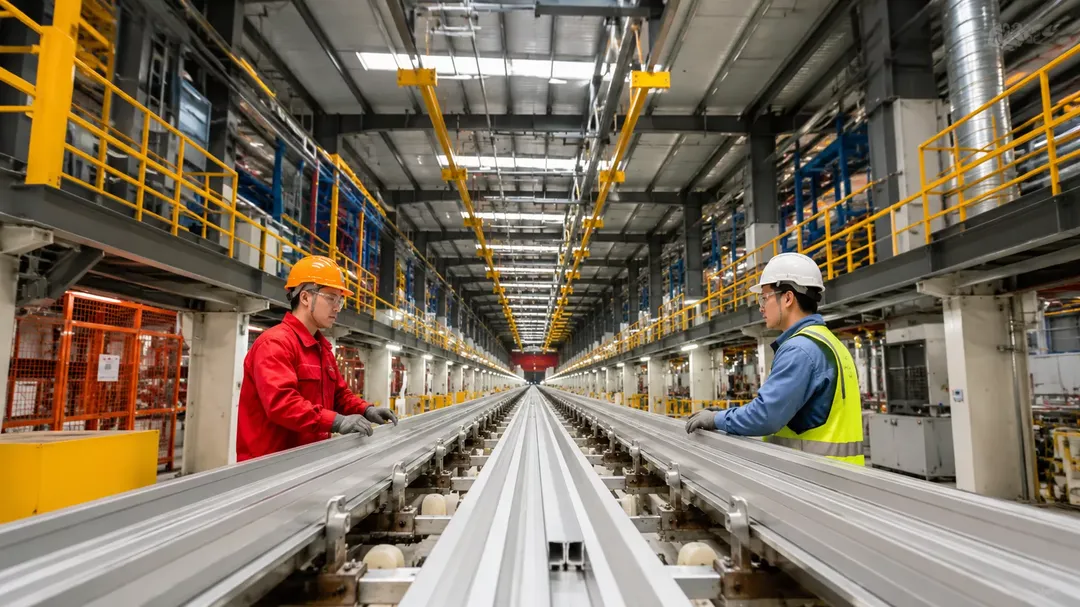
Long-goods production plants are specialized facilities dedicated to crafting long-cut pasta varieties like spaghetti, linguine, and tagliatelle. Renowned for their slender, elongated form, these pasta types feature prominently in a diverse array of dishes, from classic spaghetti with meatballs to indulgent carbonara and flavorful seafood pasta creations. These plants cater to the global demand for high-quality, versatile pasta staples.
Long-goods production plants are facilities dedicated to long-cut pasta — spaghetti, linguine, fettuccine and tagliatelle, along with shapes such as bucatini, vermicelli and angel hair pasta. The defining feature of the product is its long, thin form, and the plant layout, die selection and drying line all follow from that. Some long-goods plants also make products that share the same manufacturing route, such as noodles or certain rice-based products, though these are far less common than pasta.
The working principle is extrusion. Durum wheat semolina flour, water and sometimes eggs are mixed into a dough, which is fed into an extruder machine consisting of a large screw rotating inside a barrel. The screw pushes the dough through a die, and the die opening determines the shape — for long-cut pasta, a long, thin opening. The extruded pasta is cut to the desired length and then dried. Drying is the critical step: it removes moisture from the pasta, making it shelf-stable and ensuring it holds its shape during cooking. Some plants add steps such as boiling or steaming the pasta before drying to partially cook it and improve texture. Once dried, the pasta is packaged and shipped.
Plants vary considerably in size and level of automation, from traditional pasta-making methods to advanced technology built to produce large quantities efficiently — a decision that shapes capital cost, labour and throughput for the owner. Long-cut pasta is a traditional staple in Italy and is also popular in North America and Asia. The global pasta market was valued at approximately $14.8 billion in 2020 and is expected to continue to grow, according to a report by Mordor Intelligence, with key players including Barilla Group, De Cecco, Nestle SA and Buitoni investing in advanced technologies to improve efficiency, reduce costs and increase production capacity.
A further driver is alternative pasta made from grains such as brown rice, quinoa or legumes, reflecting the growing popularity of gluten-free and plant-based diets. Some long-goods plants are adapting by diversifying their product lines to incorporate these alternative grains, which is a factor worth settling early when specifying a new line.