
Marzipan and persipan*
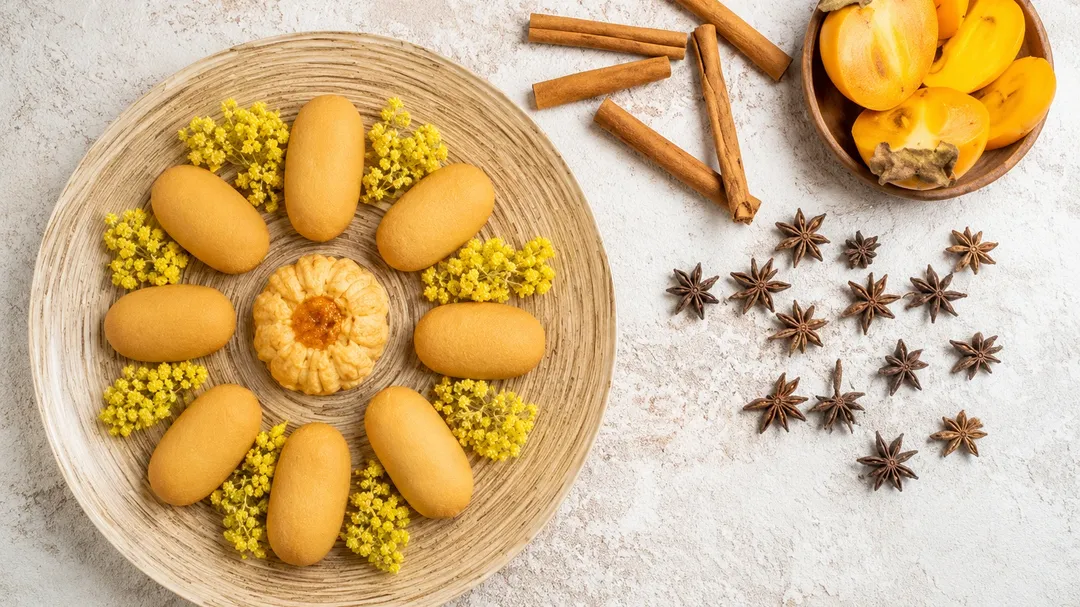
Marzipan and persipan are delectable almond-based confections, celebrated for their rich flavor and versatile applications in baking and confectionery. Marzipan, crafted from almonds, sugar, and sometimes egg whites, offers a sweet and slightly nutty taste, while persipan, made predominantly from apricot kernels, presents a similar texture and taste profile, with a hint of fruity undertones. Both are cherished ingredients in desserts worldwide.
Marzipan and persipan are both sweet confections built on the same principle: an oil-rich kernel ground fine and combined with sugar. Marzipan is a paste made from ground almonds, sugar and sometimes egg whites, with a smooth, pliable texture that suits decorative shapes as well as fillings for candies, cakes and pastries. Persipan is made from ground apricot kernels, which carry a similar flavour and texture to almonds, together with sugar. The two products differ in texture and in the additional ingredients used.
Production follows a defined sequence. Almonds or apricot kernels are ground into a fine powder, then mixed with sugar in a large mixing machine. The mass is heated and kneaded until it forms a smooth, pliable dough. Flavourings and food colouring can be added at this stage to create different varieties and colours. The finished dough is shaped into forms such as logs, bars or sheets using moulds or shaping machines, and then packaged.
For a processor, the equipment train is therefore short but specific: grinding, a large-capacity mixer, a heating and kneading stage, a dosing point for flavour and colour, and shaping or moulding machinery ahead of packaging. Major players in the market include Niederegger, Odense Marcipan, Zentis, Schluckwerder and Carsten.