
Boost Food Processing Performance with Better Factory Design
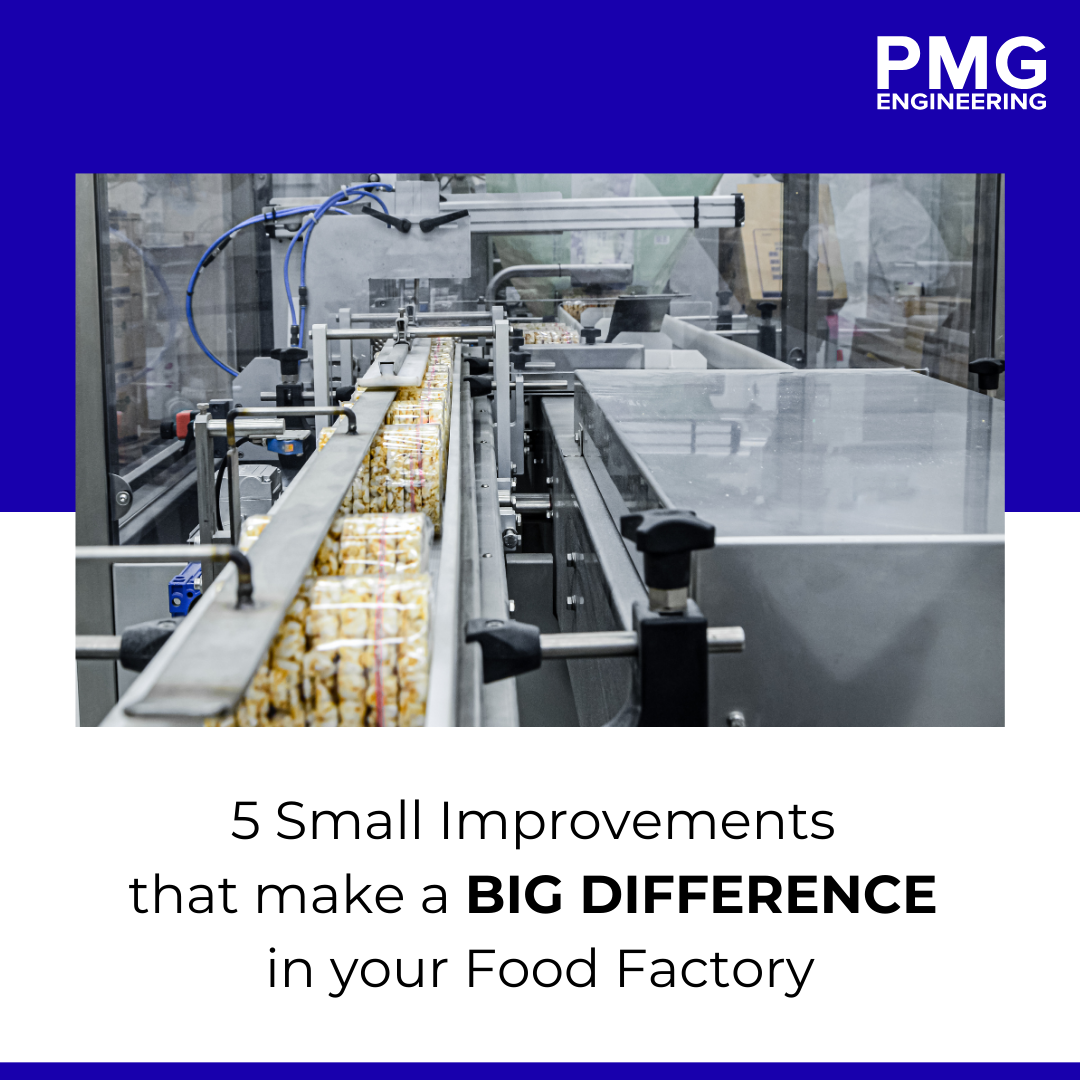
Better factory design improves workflow, hygiene, equipment access, and process efficiency, helping food manufacturers achieve smoother operations and better production performance.
Not every gain in a food factory needs capital equipment. Five small, low-cost adjustments — to hygiene zoning, material handling, colour coding, operator training and micro-stoppages — repeatedly make a disproportionate difference to throughput, food safety and consistency in an operating plant.
Hygiene zoning comes first. Small adjustments to entry and exit paths, gowning procedures and employee movement reduce contamination risk while speeding up the workflow — a cleaner path is a faster process. Alongside it, slight improvements in the storage and handling of RM, PM, FG and WIP material cut spillage, waste and handling time, and simple colour codes for tools, floors, utensils and zones reduce mixing errors and improve food safety.
People and time complete the list. Short weekly refreshers of about 10 minutes on hygiene, equipment use and cleaning reduce rework and raise consistency in food production. And tiny stoppages — hopper jams, conveyor slowdowns, sensor delays — quietly consume hours of production time; a few seconds lost every hour becomes a large monthly loss. These are the details PMG Engineering builds into factory design to help clients build world class food factories.