
Washing equipment for plant proteins
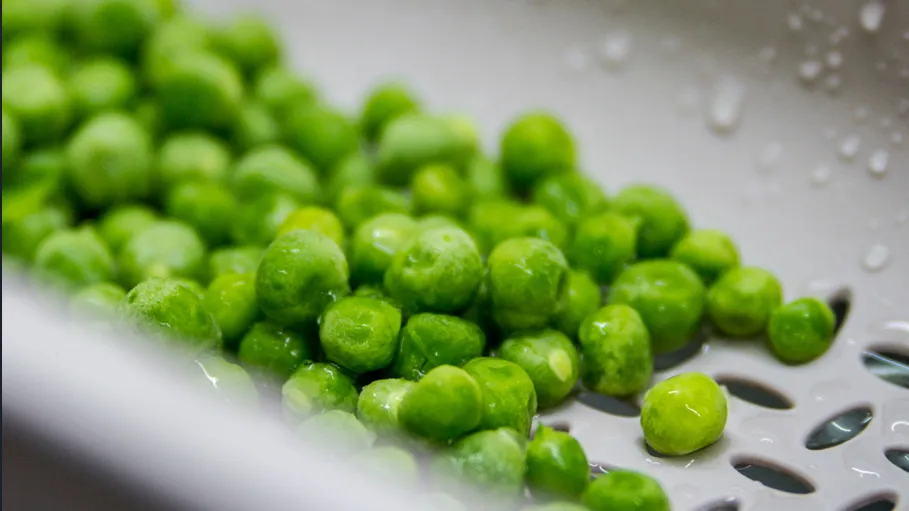
Washing equipment for plant proteins is essential in protein processing, ensuring purity and quality. These machines utilize water or solvent-based solutions to remove impurities and undesirable components from protein-rich materials. Advanced designs optimize washing efficiency while minimizing protein loss. Precise controls maintain ideal washing parameters, resulting in high-quality protein extracts suitable for various food applications.
Washing equipment for plant proteins removes impurities such as dirt, dust and other contaminants from plant protein material. It is used in food processing to clean and prepare plant-based protein products for further processing, and works on the principle of water-based separation: water is used to separate the protein from the other components of the plant material, such as fiber, starch and fat.
A typical washing sequence begins with pre-treatment, where the plant protein material is prepared by grinding, mixing or other processing methods to form a uniform slurry or paste. The slurry is fed into the washing equipment, which usually consists of a series of tanks or chambers, where the material is immersed in water or another cleaning solution and agitated to loosen and remove impurities. The material is then separated from the washing solution by centrifugation, filtration or decanting, and finally dried using equipment such as spray dryers or fluidized bed dryers.
Seen as a whole protein recovery line, the route runs from preparation (sorting, grading and removing foreign materials or debris), through soaking in water to soften the material and release the protein, separation across screens or filters to draw off the protein-rich liquid from the solid residue, concentration by evaporation or ultrafiltration, and drying to produce a protein powder or flakes for use in food products. Soaking time and temperature vary with the type of plant material being processed. The equipment is applied to soybeans, peas, chickpeas, lentils and quinoa.
Washing equipment can be designed for batch or continuous processing depending on production scale and requirements, and may incorporate variable speed controls, temperature sensors and automated cleaning systems to improve efficiency and ease of use. The choice of equipment and method depends on the type of plant protein material, the level of impurities to be removed and the desired final product characteristics. Market drivers include growing consumer demand for plant-based proteins linked to health, sustainability and animal welfare concerns, advances in processing technology, rising investment in research and development, emerging markets in Asia-Pacific, Africa and the Middle East, and regulations that vary by country and region and that equipment must meet.