
Frozen dumplings
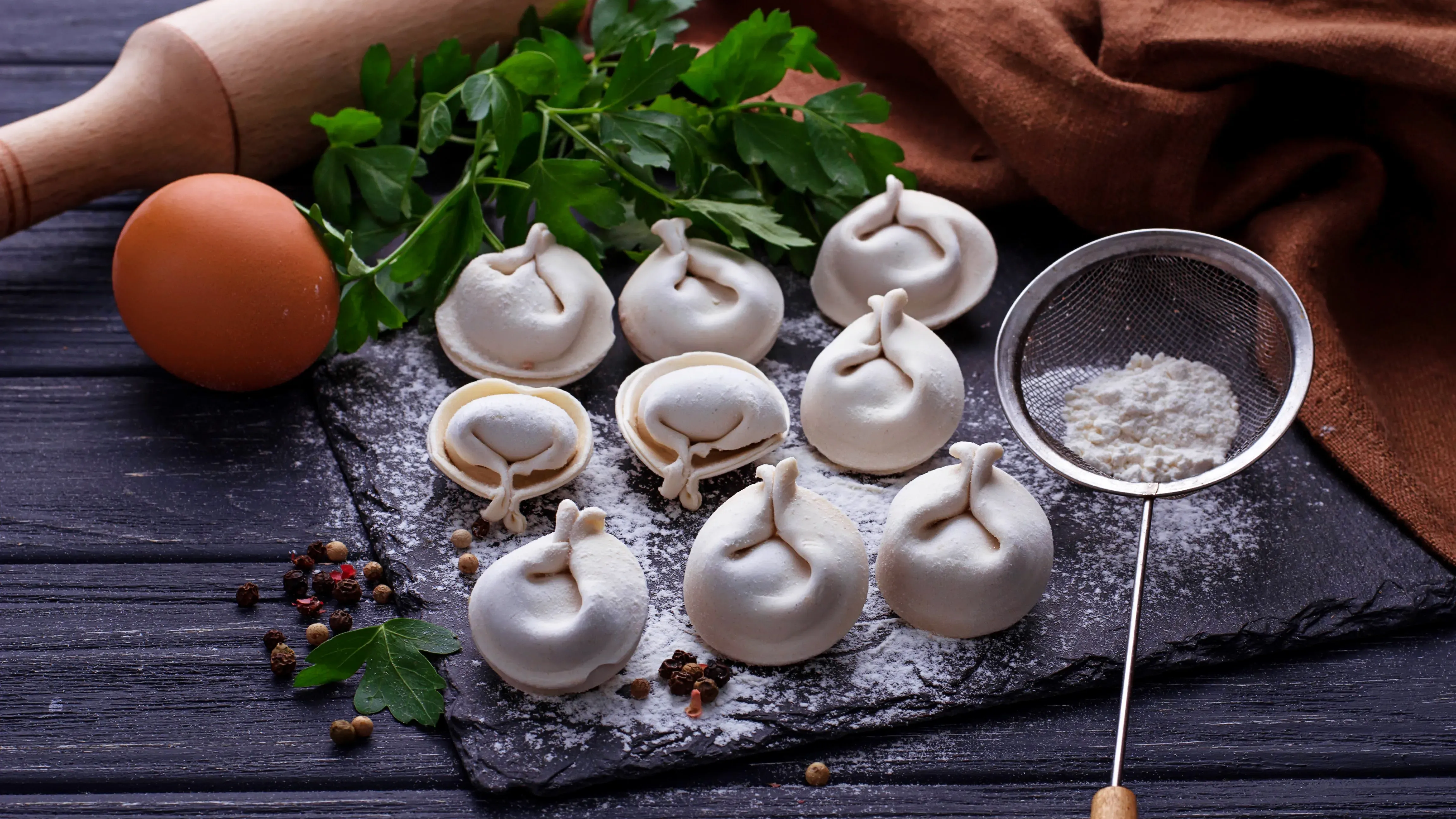
Frozen dumplings undergo meticulous preparation before rapid freezing to ensure quality and texture preservation. Vacuum sealing prevents moisture loss and freezer burn, ensuring product integrity. Advanced freezing techniques minimize ice crystal formation, maintaining dumpling texture. These precise procedures guarantee retained taste, texture, and quality, offering consumers convenient and delicious options with extended shelf life.
Frozen dumplings are a filled dough product: a thin wrapper made from dough, filled with ingredients such as meat, vegetables or seafood, then frozen for preservation and convenience. The consumer cooks them by boiling, steaming or frying before serving, which means the process line has to deliver a product that survives freezing and storage and still performs in any of those three cooking methods.
Commercially, dumplings sit in the frozen food section of grocery stores across many cultures, eaten as a snack or as a meal, on their own or with dipping sauces. That positioning drives the plant requirements a project has to answer: wrapper forming and filling, controlled freezing, and cold chain handling through to retail pack.
The global frozen dumplings market was valued at USD 7.67 billion in 2020 and is expected to reach USD 11.68 billion by 2026, growing at a CAGR of 7.3% during the forecast period of 2021-2026. The market is highly competitive, with major players including Ajinomoto Co., Inc., Sanquan Food Co., Ltd., Nestle SA, InnovAsian Cuisine, J&J Snack Foods Corp., Synear Food Holdings Ltd. and Wei Chuan Foods Corporation.
PMG Engineering works with food and beverage manufacturers on frozen food facilities from concept to commissioning, covering process design, plant layout and project supervision for products of this type.