
Injectors
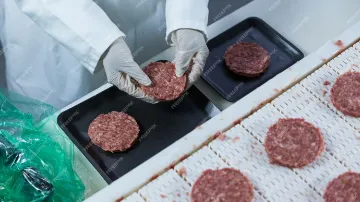
Injectors play a crucial role in meat processing by enhancing flavor, moisture, and tenderness. These specialized machines precisely deliver marinades, brines, or seasonings into meat, ensuring even distribution for consistent quality. They are essential in large-scale food production, improving taste and texture, while also reducing cooking time. Injectors are a vital tool for creating high-quality, flavorful meat products.
Injectors, also called injection machines, are food processing equipment used to inject a liquid solution — such as marinade or brine — into meat or poultry products. The process is known as meat injection or meat needling, and it is used to enhance the flavour and texture of meat products as well as to increase their moisture content and tenderness. The machine is typically equipped with one or more needles that are inserted into the meat to deliver the solution.
In a processing plant, injectors sit across a wide range of product lines. They are used in poultry processing for chicken, turkey and duck; in pork processing for hams, bacon and pork loins; in beef processing for steaks, roasts and ground beef; in seafood processing for shrimp and fish; and in deli meats such as ham, turkey and roast beef. In each case the purpose is the same — to introduce marinades, brines and other flavourings into the product to enhance flavour and juiciness.
The global injector market is driven by the increasing demand for processed meat products and the need for efficient and effective meat processing equipment. North America and Europe are currently the largest markets for injectors, owing to the high demand for meat products in these regions. Leading companies in the market include Bettcher Industries, Fomaco, Henneken, Kiremko and Gunther Maschinenbau.