
Grain mills
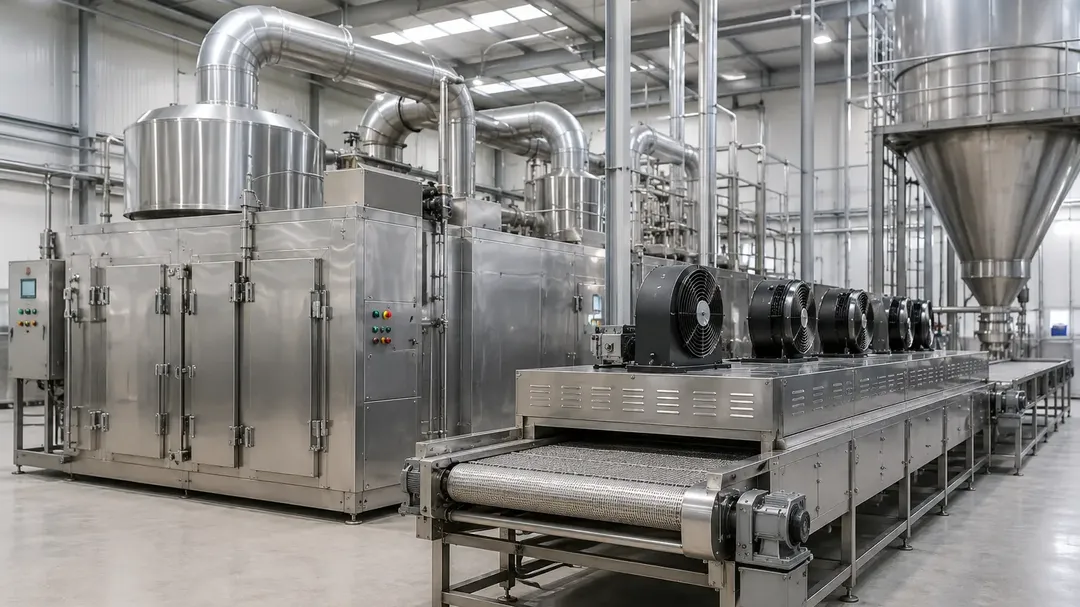
Grain mills are essential tools for grinding and processing grains, offering versatility in creating flour for various culinary applications. These machines crush and refine grains, unlocking their nutritional potential for bread, pasta, and more. Whether hand-cranked or electric, grain mills empower individuals to craft wholesome, freshly milled ingredients, fostering a connection to traditional food preparation methods and healthier homemade products.
Grain mills reduce wheat, rice, corn or barley into flour or meal, and have been used for centuries to process grains into food products. Their basic function is straightforward — crush the grains and break them down into smaller particles — but the sequence of operations around that crushing step is what determines yield, particle size consistency and the safety of the finished flour. Grain mills are commonly used by bakers, chefs and home cooks who want to make their own flour for baking or cooking, as well as at industrial scale.
Milling begins with cleaning, which removes impurities such as dirt, stones and metal fragments from the incoming grain. The grain is then conditioned to optimise its moisture content and improve its pliability, done by adding water to the grains and allowing them to rest for a period of time. Conditioning is what allows the bran and endosperm to separate cleanly in the next stage rather than shattering together.
The conditioned grains are ground into flour, meal or other products using a variety of milling equipment, including roller mills, hammer mills and stone mills. The ground stock is finally sifted to separate the different grades of flour or meal. For a plant owner, the choice of mill type and the rigour of the cleaning and conditioning stages ahead of it govern both product grade and the removal of foreign matter from the food stream.