
Green coffee
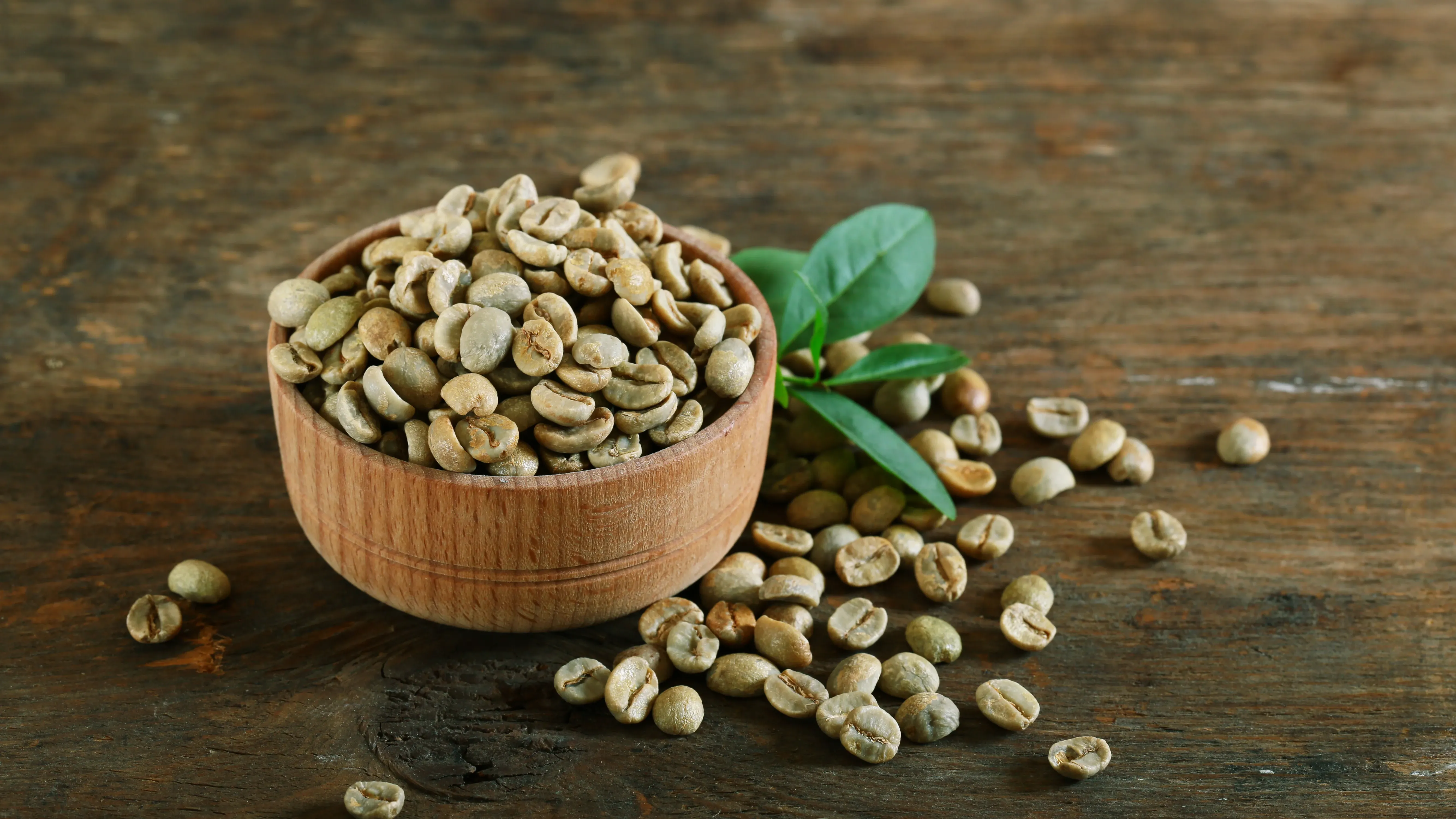
Green coffee refers to unroasted coffee beans that have been harvested from the coffee plant and undergone processing but have not yet been subjected to the roasting process. These beans are typically smaller, harder, and green in color compared to their roasted counterparts.
Green coffee is the unroasted bean of the Coffea fruit — principally Coffea arabica and Coffea canephora — and it is the raw material behind both the coffee beverage trade and a growing market in health supplements. It is coffee in the form it takes immediately after harvest, before any roasting has altered its chemistry, colour or aroma.
The difference between green and brown coffee is a difference of processing, sensory character and end use. Brown coffee has been roasted and has undergone the chemical changes that develop its characteristic taste, aroma and dark brown colour; it is the form used to brew coffee. Green coffee carries a grassy or herbal aroma rather than the wide range of flavours and aromas found in roasted beans, and it is not typically consumed directly. Instead it is processed further, or used to produce green coffee extract for supplement purposes.
Two post-harvest routes bring the bean to green coffee. In wet processing, the beans are soaked in water to ferment and remove any remaining mucilage. In dry processing, whole coffee cherries are spread out to dry directly under the sun and turned periodically to ensure even drying. After drying, the green beans are sorted and graded on size, shape, colour and defects.
Graded green coffee is then held in warehouses in a cool, dry environment to preserve quality until export. For a plant handling green coffee, the storage environment and the consistency of the grading step are what protect the value created upstream in the field and the wet or dry mill.