
Caviar
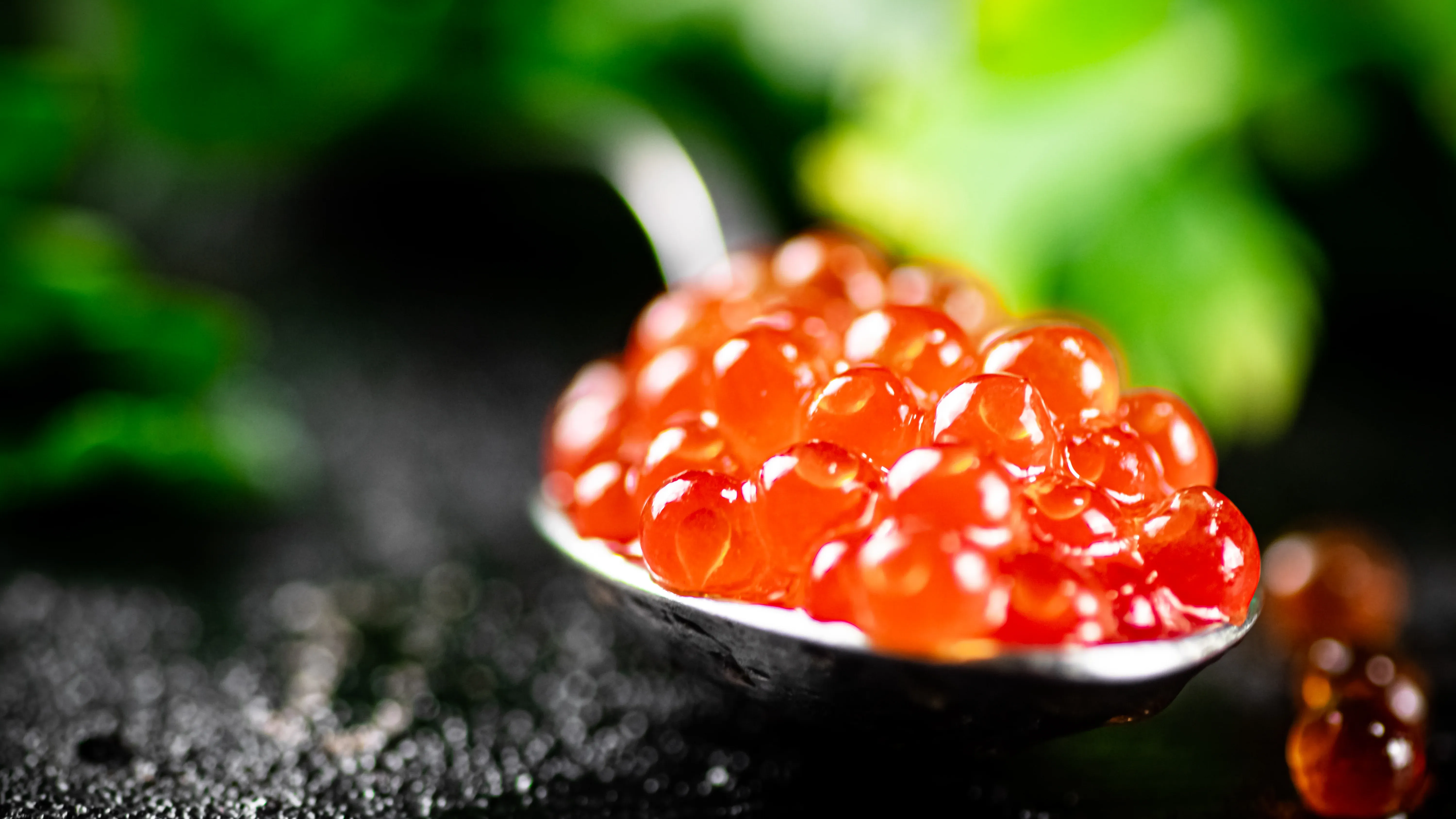
Caviar is a highly prized delicacy made from the salted and processed eggs of certain fish, most commonly sturgeon. It is known for its luxurious reputation, rich flavor, and unique texture. Traditionally served chilled, caviar is enjoyed as an appetizer or garnish and is often accompanied by blinis, toast points, or crackers.
Caviar is a luxury food product consisting of salt-cured fish eggs, specifically those from sturgeon species. It is highly prized for its delicate and unique flavor, as well as its association with gourmet cuisine and special occasions.
Caviar is made from the unfertilized eggs, or roe, of the sturgeon. The eggs are carefully extracted from the female fish and then salted to enhance their flavor and preserve them. The size, color, and taste of the caviar can vary depending on the sturgeon species. Grading is based on quality, appearance and taste, with the size, color, texture and flavor of the eggs all contributing to the grade. Beluga caviar, known for its large and delicate eggs, is often considered the most luxurious and expensive grade.
The flavor is distinctive and often described as buttery, briny, and slightly nutty, while the texture of the eggs ranges from firm to creamy depending on the type of caviar. The eggs are typically enjoyed by placing a small amount on the tongue to savor the flavor and texture.
Nutritionally, caviar is rich in omega-3 fatty acids, particularly EPA (eicosapentaenoic acid) and DHA (docosahexaenoic acid). Per tablespoon it provides 4 g protein, 3 g fat, 1 g carbohydrate and 42 cal. It is often served as a garnish or topping for dishes such as blinis (small pancakes), toast points, or canapés, with accompaniments including crème fraîche, chopped onions, lemon wedges, or egg whites, and is often paired with champagne or vodka.