
Residual bread choppers
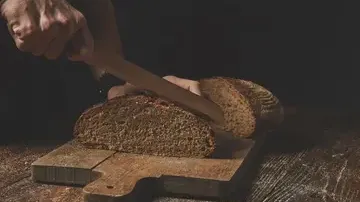
Residual bread choppers play a crucial role in minimizing food waste by efficiently processing leftover or unsold bread, transforming it into valuable crumbs or usable ingredients. These specialized machines contribute to sustainability efforts in the food industry, optimizing resource utilization and reducing environmental impact. Residual bread choppers exemplify innovative solutions that align with contemporary priorities of waste reduction and responsible consumption, fostering a more efficient and eco-friendly approach to food processing.
Residual bread choppers are machines used to process and repurpose leftover or unsold bread into smaller pieces or crumbs that can be used in other food products. They are commonly used in bakeries, cafes and other food production facilities, where they serve two commercial purposes at once: minimising food waste and maximising profitability from product that would otherwise be discarded.
The working principle is straightforward. Bread or breadcrumbs are loaded into the machine through a hopper or feeding mechanism, then crushed or ground into smaller pieces by a series of rotating blades or rollers. The size of the resulting bread pieces can be adjusted to suit the specific needs of the user, so the same machine can produce anything from coarse pieces to fine crumb depending on where the output is being returned in the product range.
Six components make up the machine. The hopper or feeding mechanism is where bread or breadcrumbs enter for processing. Blades or rollers are the rotating components that crush or grind the bread. A screening or sifting mechanism separates the bread from any packaging or other materials that may be present. A motor or other energy source drives the blades or rollers. A control panel lets the operator adjust the speed and force of the blades or rollers so that the bread is crushed or ground to the desired size and consistency. Finally, a collection bin stores the resulting bread pieces or crumbs.