
Green, Yellow, Red Zones: Understanding Hygiene Zoningl
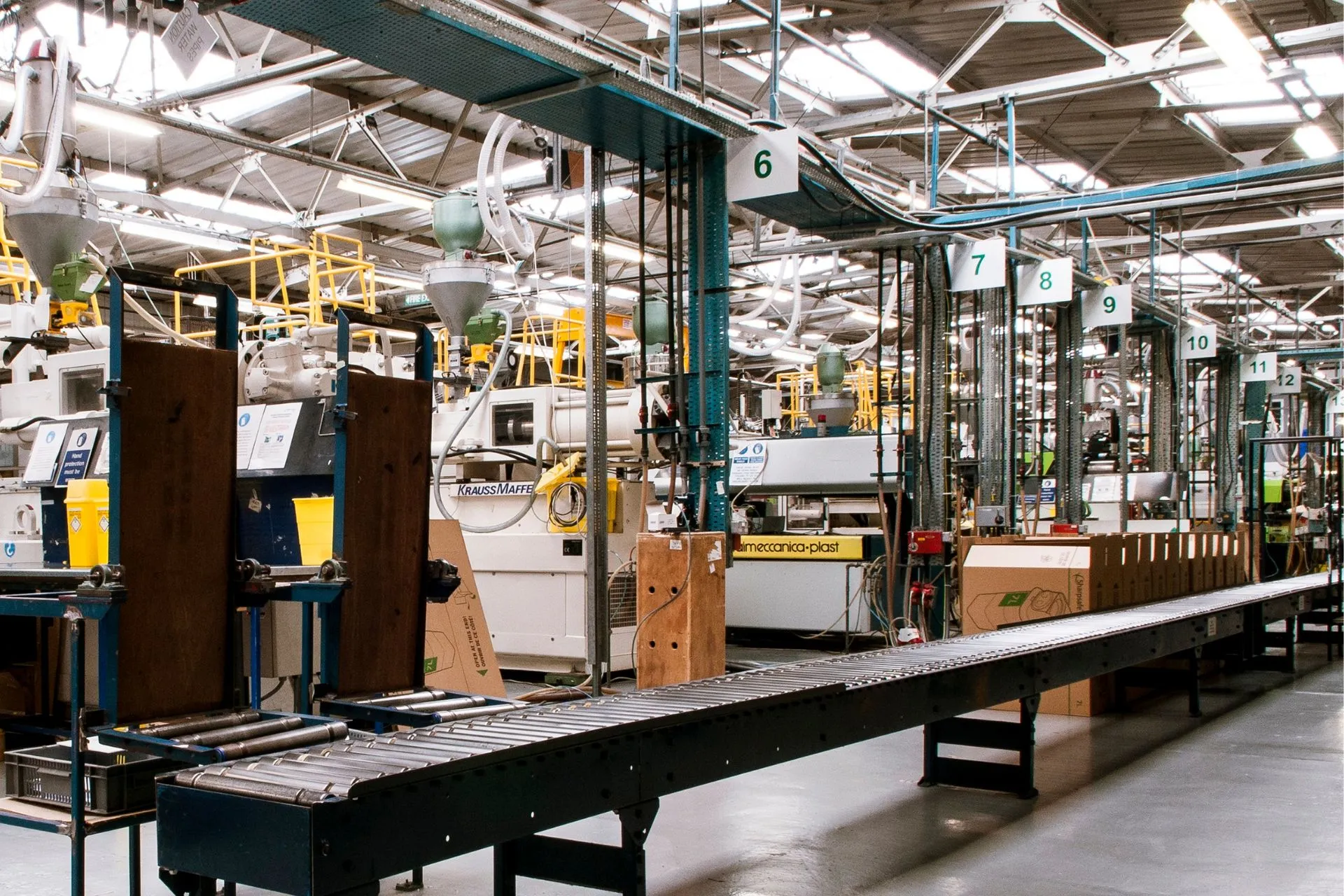
Green, yellow, and red zones are commonly used to organize hygiene requirements and control contamination risks within food processing facilities. Each zone represents a different level of hygiene control based on the nature of the process and potential contamination risks.
Green zones generally represent lower-risk areas, while yellow zones require controlled hygiene practices and movement. Red zones typically represent high-risk or highly controlled areas where stricter hygiene measures are required.
Effective zoning is not simply about assigning colours to factory areas. It involves controlling the movement of people, materials, equipment, air, waste, and products between zones. Properly planned hygiene zoning helps minimize cross-contamination and supports safer, more efficient food production.