
Dates
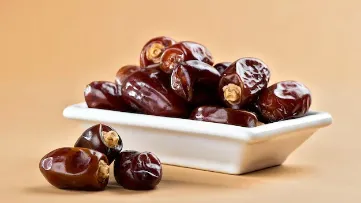
Dates are the fruit of the date palm tree (Phoenix dactylifera), native to the Middle East and North Africa and now also cultivated in other parts of the world, including California and Arizona in the United States. The fruit is oval-shaped with wrinkled, brownish-black skin and sweet, chewy flesh inside.
For a food processor, the compositional profile is what makes dates commercially interesting. They are high in natural sugars and a good source of fiber, vitamins and minerals, including potassium, magnesium and vitamin B6. Dates have long been used for their medicinal properties in traditional medicine, and recent research has shown that they may have antioxidant and anti-inflammatory effects and could potentially have a role in improving heart health and blood sugar control.
Commercial production follows a defined sequence. Date palms are typically propagated from offshoots or seeds, offshoots being small plants that grow from the base of mature trees and can be transplanted to new locations. Cultivation requires warm, sunny climates and well-drained soil. Harvesting is typically done by hand, with workers climbing the trees to pick the fruit or using long poles to shake the fruit loose.
Downstream, the crop is sorted by size and quality; damaged or inferior fruit is removed, and the remaining dates are washed and dried. From there, dates are processed into a range of products, including date paste, date syrup and date powder, before being packaged and shipped to markets around the world.